Increase revenue
Sell cars more effectively with zero-party data
Volkswagen
How do you reach people precisely when they’re about to buy a car? Volkswagen used zero-party data from Swiss Post Advertising for this. The data-driven e-mail campaign achieved significantly higher opening, click and conversion rates and led to 25 vehicle sales.
Rich Content Section
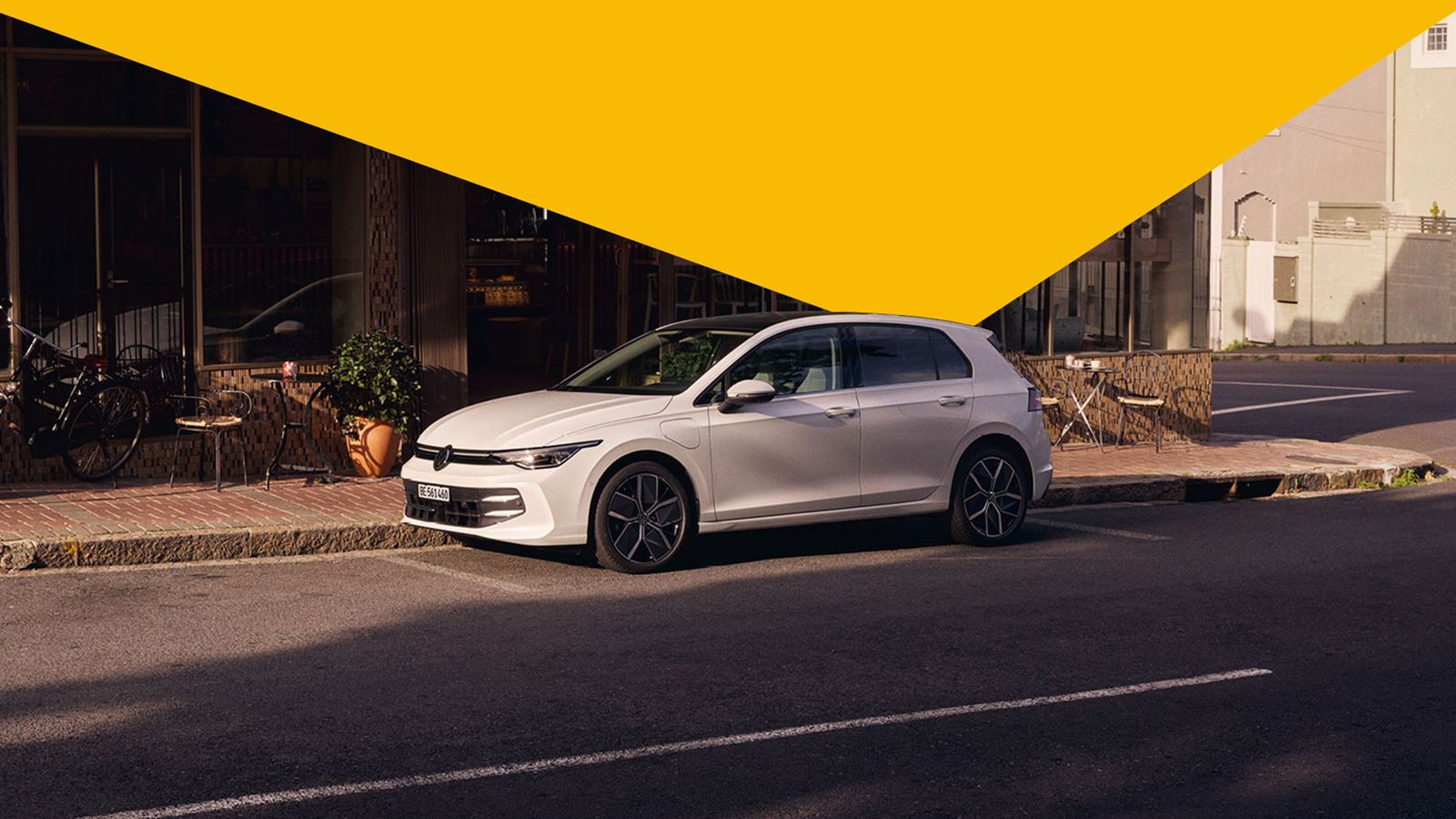
Highly impressive results
-
19,727
e-mails sent
- 31.1% opening rate
- 11.12% effective click rate (click-to-open rate)
-
4511
addressed postcards sent
-
Specific targeting (brand and purchase intenders) versus broad targeting (car affinity and control group)
- 54% higher opening rate for initial e-mail
- 215% higher click rate for initial e-mail
- 81% higher conversion rate
-
25
vehicle sales
Our approach
Manuel from Burgdorf wants to buy a new car. His favourite brand: Volkswagen. This means he belongs to the specific target group that is of particular interest to car manufacturers and retailers. And because Swiss Post Advertising conducted a car-purchase survey among its 1.8 million opt-ins, gaining zero-party data, the advertising marketer knows exactly who these people are. At the beginning of 2026, Volkswagen carried out a data-driven, cross-media e-mail campaign on this basis. The goal was to promote sales of the Golf, Polo and T-Cross models. “The priority for us was to target people we knew would be looking to purchase a car within the next few months,” says Melanie Felder, Head of Marketing Volkswagen Passenger Vehicles at AMAG Import AG.
Two highly relevant target groups
The centrepiece of the campaign was a multi-step e-mail sequence, which involved an initial e-mail, a reminder e-mail and an addressed postcard as a physical reminder. To this end, Swiss Post Advertising created two particularly relevant segments from the zero-party data: purchase intenders who wanted to buy a car within the next 12 months and were interested in combustion engines, and brand intenders who cited Volkswagen as their preferred brand in addition to their purchase intention. Volkswagen and Swiss Post Advertising compared these target groups with two broader segments: people with a general affinity for cars and a randomized control group. This made it possible to measure how purchase intent and brand preference influenced the campaign’s success.
Specific targeting with a clear effect
The result was clear: purchase interest and brand preference played a decisive role in the success of the e-mail campaign. The opening, click and conversion rates were much higher among the brand and purchase intenders than the broad segments (car affinity and control group). Within the specific targeting group, those interested in VW reacted most to the e-mails. However, people with specific plans to buy a car proved to be the most successful target group, achieving a conversion rate of 0.27 percent. A total of 25 vehicle sales were attributable to the campaign. Melanie Felder considers the campaign’s cost per vehicle sold to be favourable compared with other marketing initiatives and adds: “We were especially pleased that we were able to acquire a relatively large number of new and previously inactive customers.”
According to Simon Kobel, Digital Advertising Product Manager at Swiss Post Advertising, the pilot campaign confirms the strength of zero-party data: “Specific targeting with a self-declared purchase intention performed better for all KPIs than broad targeting with a general affinity for cars.” This case shows the potential of zero-party data. After all, if you reach people who are already considering a purchase, you target them at exactly the right moment and turn e-mail marketing into a measurable driver of business success.
E-mail marketing with zero-party data and trust
The zero-party data from the Volkswagen campaign comes from the Swiss Post Advertising car survey. Participants provided voluntary information on purchasing plans, preferred brands, drive types and their mobility behaviour. A very precise basis for addressing target individuals precisely based on their actual purchasing plans and interests.
Swiss Post Advertising provides equally accurate data on the topic of living. This survey, too, was conducted with an audience of 1.8 million opt-ins – i.e. people who have expressly consented to their data being used for advertising purposes.
For e-mail marketing, this results in more relevant content, higher opening and click rates and less coverage wastage.
Swiss Post Advertising combines unique zero-party data and affinity-based targeting options for you in e-mail campaigns. At the same time, every campaign benefits from the high level of trust in Swiss Post, the sender behind Swiss Post Advertising. From a technical perspective, Swiss Post Advertising uses rule-compliant authentication to ensure that e-mail clients classify the sender as trustworthy.
The result is very high delivery, opening and click rates. The combination of online and offline channels along the customer journey has an even stronger impact – such as DOOH screens with e-mail despatch and physical mailing.
Rich Content Section
We were equally impressed by the relevance and recency of the data as by the opportunity to target people who were interested in VW and had specific purchase intentions – and we weren’t disappointed.
Melanie Felder, Head of Marketing Volkswagen Passenger Vehicles, AMAG Import AG

Specific targeting with a self-declared purchase intention performed better for all KPIs than broad targeting with a general affinity for cars.
Simon Kobel, Digital Advertising Product Manager, Swiss Post Advertising

Advertising materials